
Training comes in a wide variety of media. Our Training Media Tips below offer answers to common questions and help you decide what media may be best for your project.
Turning a written policy into effective employee training requires more than simply reading the document aloud. The first step is identifying what learners need to understand, decide, or do after completing the training. Complex information can then be organized into clear explanations, examples, demonstrations, and realistic situations. Whether delivered through video, animation, or another format, effective training focuses on helping people apply information rather than merely presenting it.
Multiple reviewers can improve the accuracy of training content, but an unstructured review process often leads to conflicting feedback, repeated revisions, and project delays. Establishing clear review responsibilities helps keep development moving. Subject matter experts should verify technical accuracy, while designated decision-makers resolve conflicting suggestions and approve the final direction. Consolidating feedback into organized review rounds makes it easier to produce training materials that are accurate, understandable, and completed efficiently.
Video can be an excellent training tool, but it isn’t always the most effective choice. Demonstrations, processes, and situations that benefit from visual examples often work well as live-action or animated video. However, information employees need to reference quickly may be better presented as a checklist, job aid, or written guide. Selecting training media should begin with the learner’s needs and the desired outcome, not the technology available.
There is no single ideal length for every training video. The appropriate runtime depends on the complexity of the subject, the learner’s experience, and the objective being taught. A short demonstration may require only a few minutes, while a more involved process may need additional explanation. When possible, organize training into focused segments that address specific learning objectives. Shorter modules can also make information easier to review and revisit later.
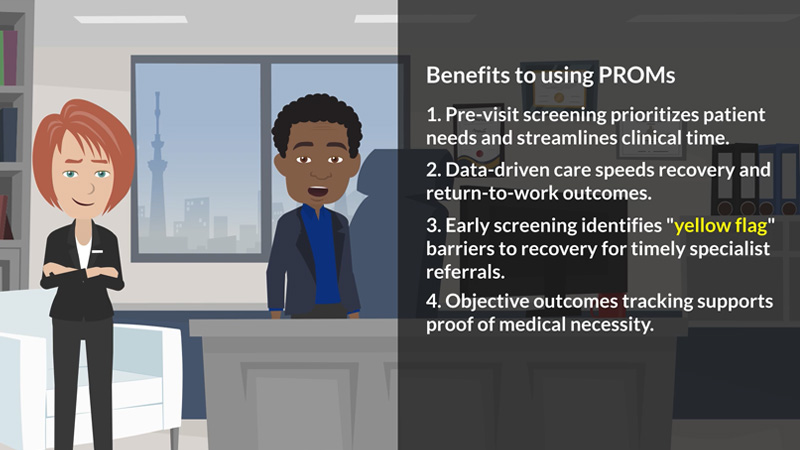
Choosing between live-action video and animation depends on what your audience needs to learn. Live-action video works particularly well for demonstrating physical procedures, equipment operation, and realistic workplace interactions. Animation can simplify abstract concepts, illustrate processes that are difficult to film, or show situations that would be impractical or unsafe to recreate. Some training projects benefit from combining both approaches to communicate information clearly and effectively.
Clear, practical ideas for creating better training and educational media. Training Media by JBCM answers common questions about training videos, instructional design, employee training, compliance content, subject matter expert reviews, scripting, animation, live-action video, screen recording, and mixed-media training.