Enhancing Clinical Education with Video

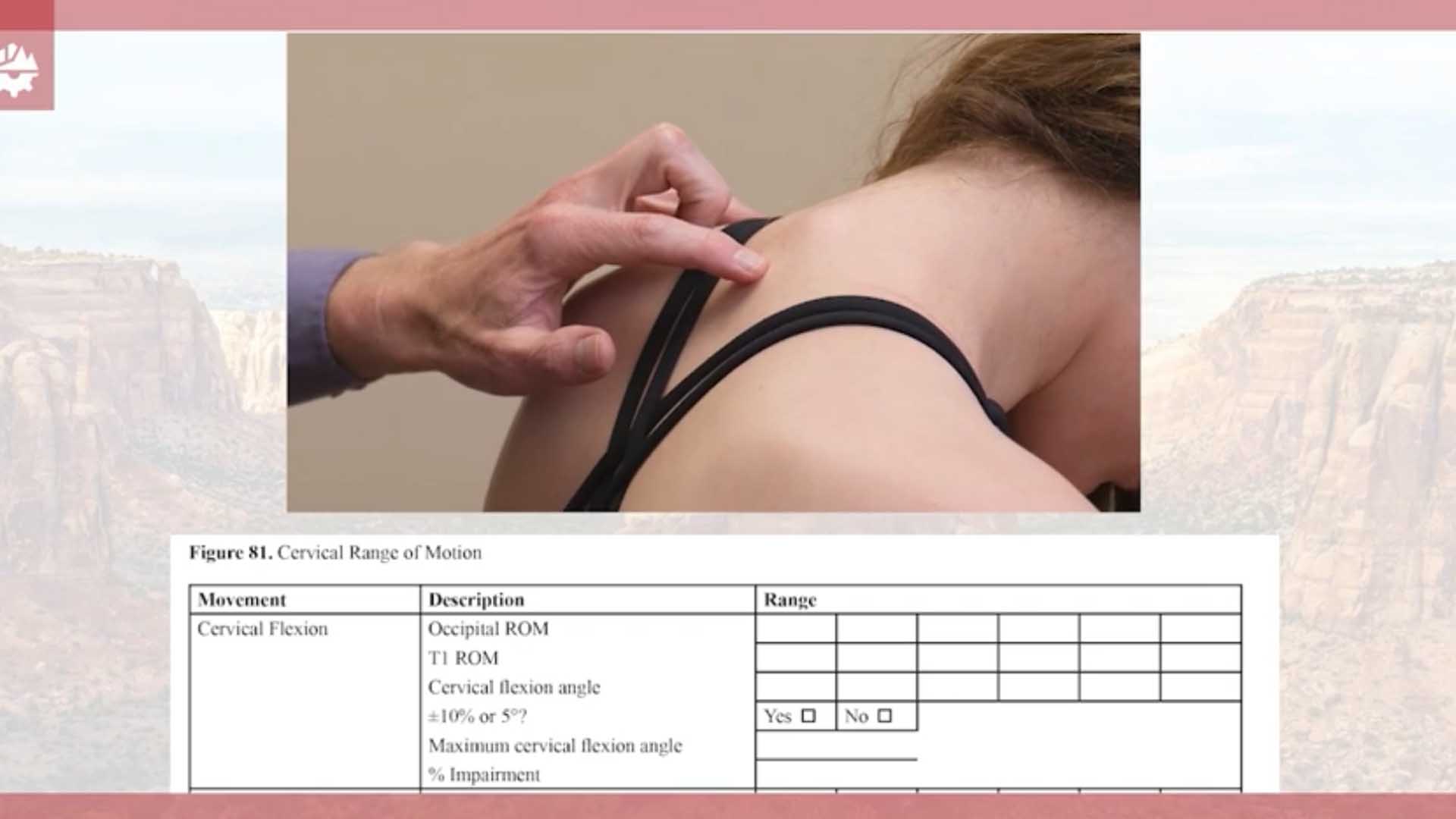
Screenshots from video presentation. See the video excerpt below for more context.

Summary

  • Training Focus: Cervical range of motion (flexion/extension) measurement for impairment ratings
  • Featured Expert: Dr. Greg Reichhardt, physiatrist
  • Audience: Physicians certified to work on workers’ compensation cases in Colorado
  • Delivery: Private portal (restricted to certified personnel)
  • Final Runtime: ~45 minutes
  • Primary Outcome: More consistent measurement + documentation, supporting more accurate workers’ compensation assessments

The Challenge

In medical training, accuracy and consistency are everything, especially when evaluations impact formal workers’ compensation assessments and documentation standards. Cervical range of motion measurement is one area where even small inconsistencies can impact results and documentation quality.

The Goal

Create a training resource that helps certified physicians:

  • Perform cervical flexion/extension measurements the same way, every time
  • Document results correctly and consistently
  • Follow a method aligned with medical and legal standards

The Solution

I produced a comprehensive training video by transforming an existing PowerPoint into a polished, instructor-led learning experience.

What I built into the presentation

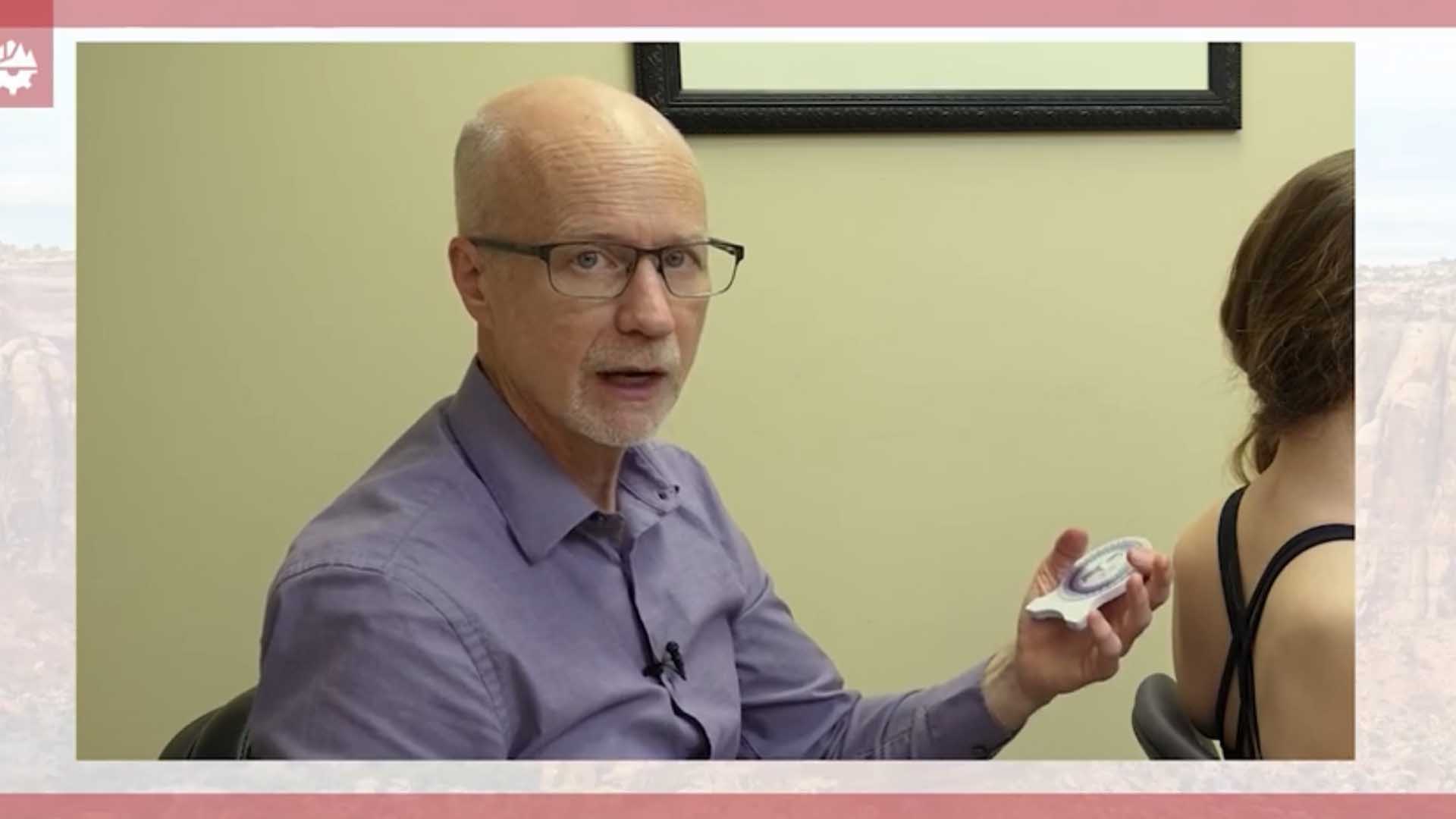
  • Embedded client-supplied video of Dr. Reikard introducing himself (tone-setting + credibility)
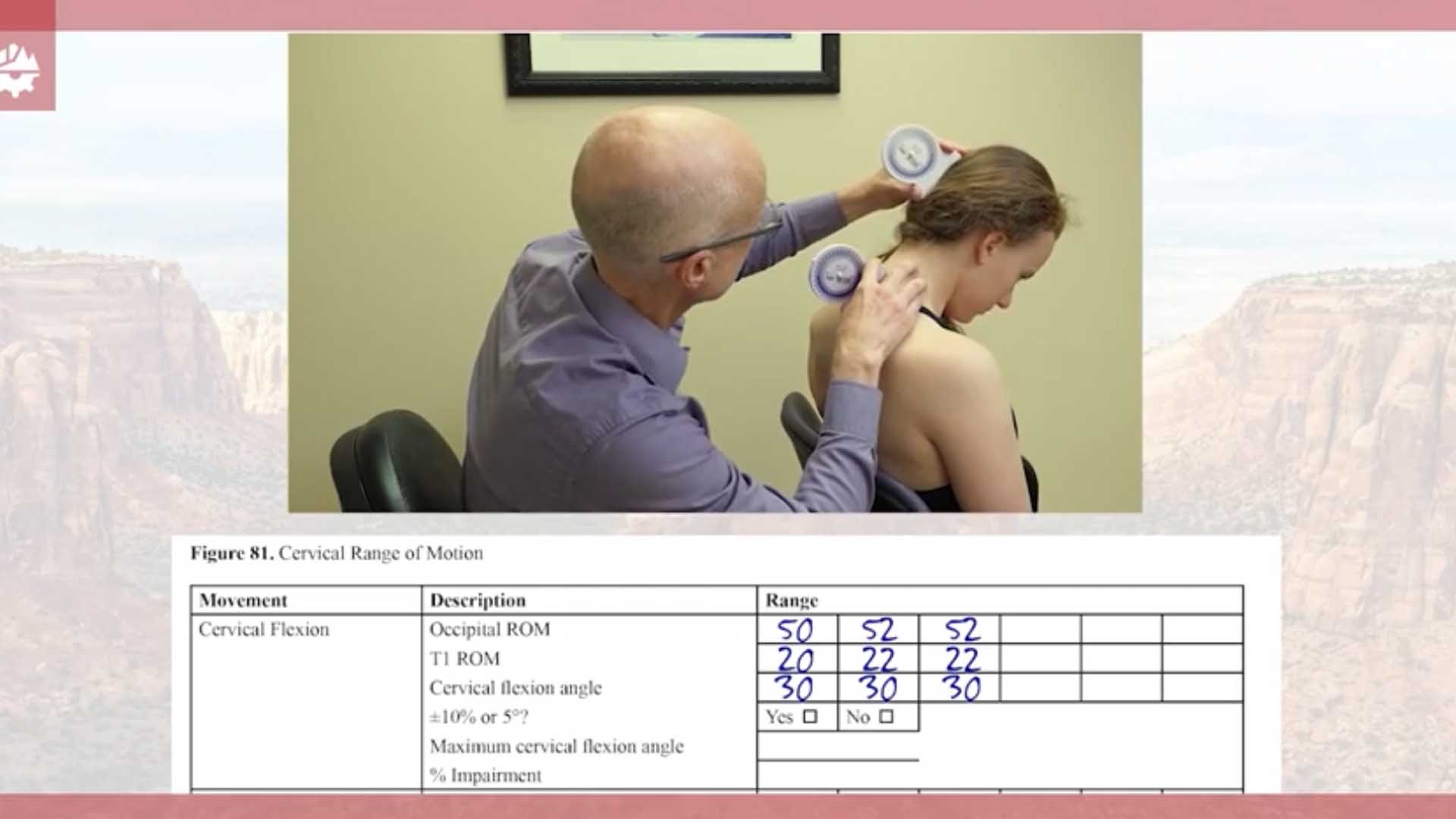
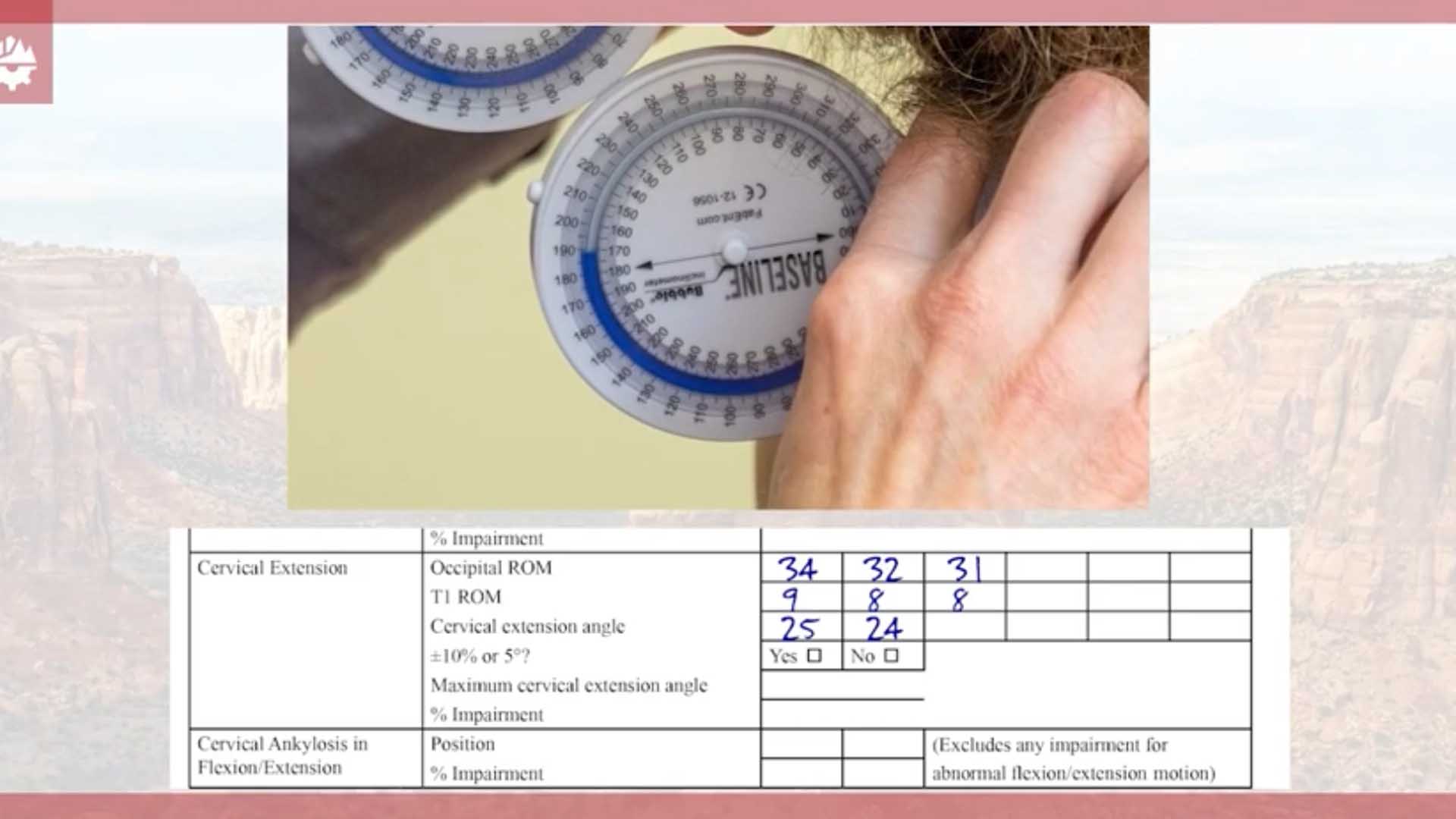
  • Added demonstrations (video + photos) showing the physician using a Range of Motion Inclinometer to measure cervical ROM
  • Included step-by-step animated form-fills showing correct documentation and the exact data being entered
  • Structured the training to show multiple measurements and techniques across a full-length module (~45 minutes)

What Learners See and Learn

The training reinforces a repeatable, clinically sound method, including:

  • Locating C7 and T1 to establish baseline anatomical markers
  • Performing three flexion and three extension repetitions to improve reliability
  • Reviewing values to assess internal validity, supporting medical and legal expectations

Deliverables

  • 45-minute training video (private distribution)
  • Enhanced PowerPoint-based training module (video embedded + visual demos)
  • Form documentation sequence with animated callouts/data entry

Results / Impact

This video supports standardized technique and documentation, which helps reduce instructional variability and strengthens consistency across certified providers.
Outcome: Training enabled more consistent measurement and documentation, supporting more accurate workers’ compensation assessments.

Here’s a short excerpt of “Measuring Spinal Range of Motion” training video.

Why This Worked

Video-based training is especially effective here because it can be:

  • Standardized (same technique, same steps, every view)
  • Scalable and repeatable inside a learning platform
  • Clear about both the maneuvers and the measurement logic (not just “what,” but “why”)

If you’re building training for healthcare, compliance, or skills-based evaluation, I can help you turn complex processes into clear, reusable video instruction—designed for private portals and LMS platforms.